Skip to content
  • 99%+ HPLC PURITY
  • FREE SHIPPING OVER $250
  • SECURE PAYMENT
  • US WAREHOUSE & FULFILMENT
  • SAME-DAY DISPATCH
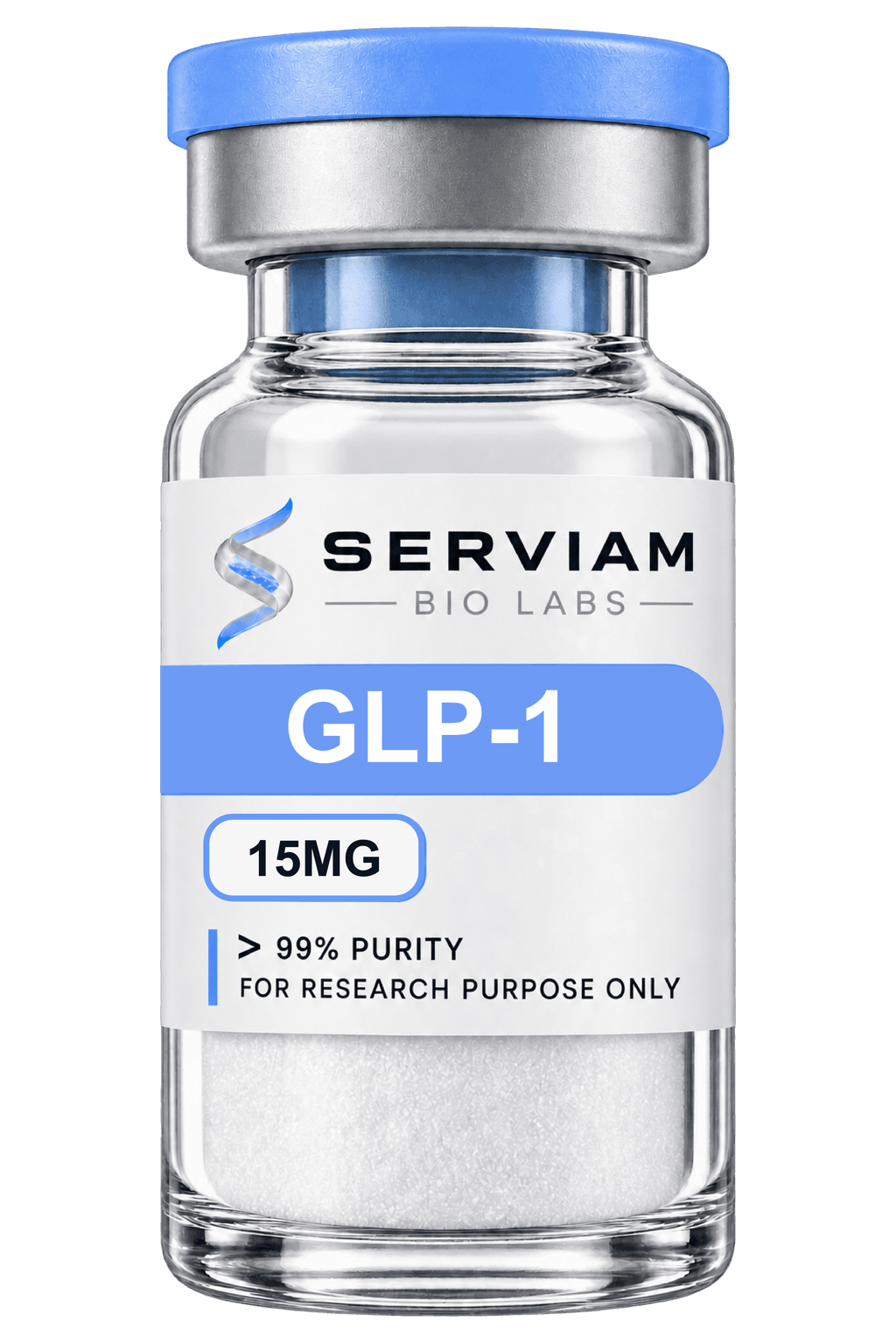
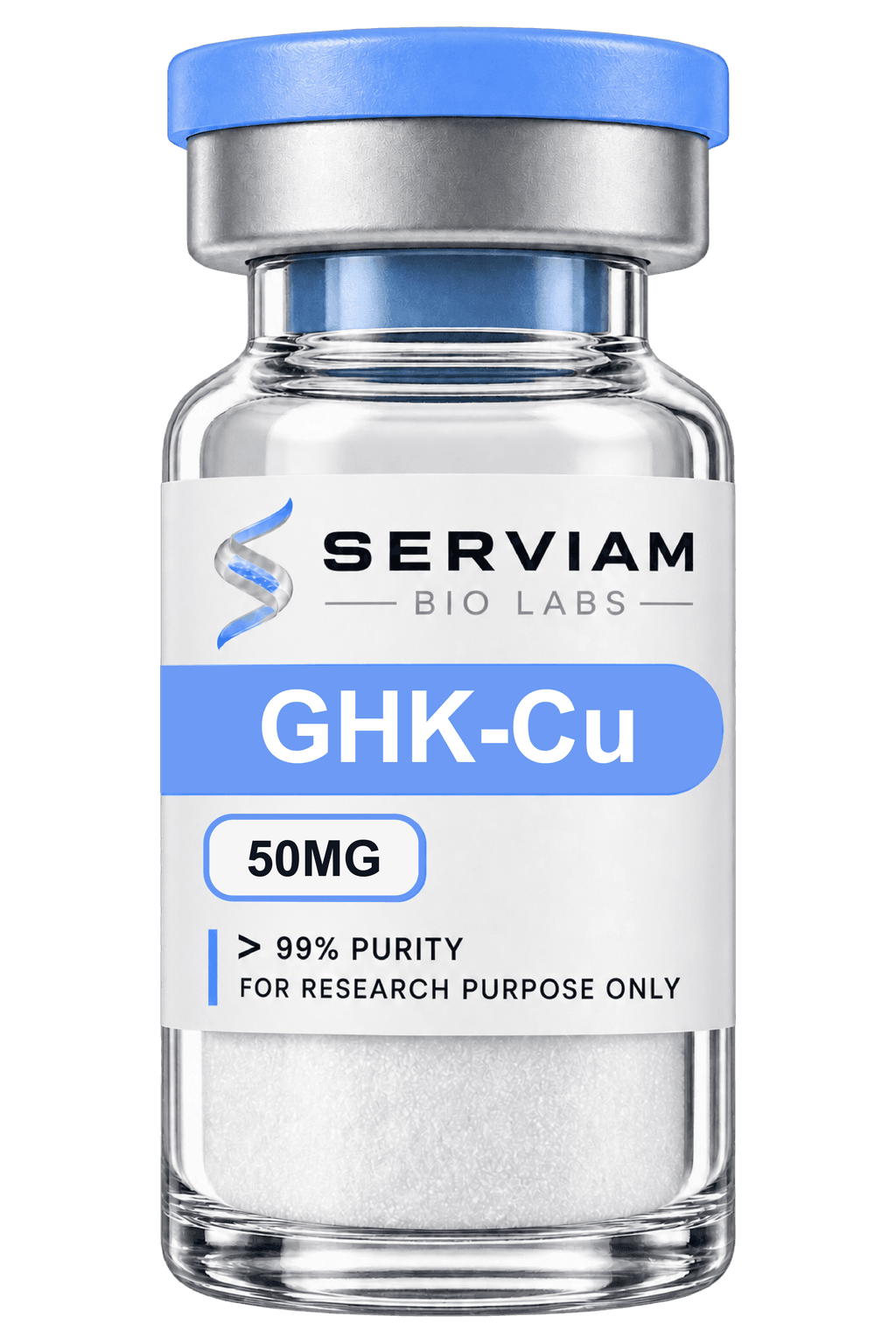
SERVIAM GHK-Cu, 50 milligram vial, 99.86%

Lyophilised powder · 99%+ documented HPLC

Ships from USAView COA

GHK-Cu Peptide

Naturally occurring copper-binding tripeptide studied in dermal-signalling and remodelling models.

$39.99per 50mg vial

Vial size
1
Purity 99%+RP-HPLC documented
Identity conformsLC-MS verified
  • Ships from the US
  • Discreet packaging
  • Free shipping over $250
3aa
Length. Found occurring naturally in human blood plasma, not designed in a lab.
Pickart & Thaler, BBRC 1973
1973
Year it was isolated and identified as a factor that changes how cells grow.
BBRC 1973
Copper
It binds a copper ion spontaneously, and that copper-carrying form is the one studied.
Pickart
Skin
Main research setting: dermal fibroblast and skin-tissue models.
Parker et al., 2013

Figures are structural data from our specification and certificates, or are drawn from published third-party literature about the compound, and are provided for orientation only. Nothing here is a claim about what this material does. Supplied for laboratory research use only.

01About this compound

What GHK-Cu is

GHK-Cu is a copper-binding tripeptide (glycyl-L-histidyl-L-lysine) complexed with copper(II). It occurs naturally in human plasma and has been studied extensively in relation to extracellular matrix remodelling. Its characteristic deep blue colour comes from the copper complex.

Class
Copper-binding tripeptide
Residues
Gly-His-Lys (3)
Formula
C14H24N6O4 · Cu
Molecular weight
403.94 g/mol
CAS
89030-95-5
Metal
Copper(II) complex, 1:1
Presentation
50mg and 100mg vials
Sequence
  1. Gly
  2. His
  3. Lys
  4. Cu(II)
BACKBONE IMPRESSION · NOT A STRUCTURAL MODEL
Atomic composition
49atoms
  • 14
  • 24
  • 6
  • 4
  • 1

C14H24N6O4 · Cu · composition, not conformation

02Mechanism

How GHK-Cu
has been studied.

Signalling pathways examined in preclinical models. Descriptive of published research directions, not claims of effect.

ECM

Matrix remodelling

Studied in relation to collagen and glycosaminoglycan synthesis in dermal fibroblast cultures, and to the balance of matrix metalloproteinases and their inhibitors.

  • Examined in dermal fibroblast cultures
  • Studied against collagen synthesis markers
  • Assessed alongside MMP/TIMP balance
Protective

Antioxidant models

Explored in oxidative-stress endpoints, where the copper-bound form rather than the free peptide is the species examined.

  • Oxidative-stress endpoints
  • Copper-bound species studied
Metallopeptide

Copper transport

The tripeptide's affinity for copper(II) is the basis of much of its characterisation; both the peptide purity and the copper stoichiometry are assayed on every lot we release.

  • Copper stoichiometry verified per lot
  • Studied as a physiological copper carrier
  • Characterised by UV-Vis alongside HPLC
03Uses & applications

What GHK-Cu is researched for

Where it comes from

Pickart & Thaler, BBRC 1973

Isolated from human plasma as a naturally occurring factor affecting how cells grow.

Copper carrying

Coordination chemistry

Binds copper(II) readily, and the copper-bound form is what the research examines.

Repair setting

Parker et al. 2013

Studied topically on impaired-healing skin and on the enzymes that remodel wound tissue.

04Class comparison

How it compares in its class

Reference class characteristics for orientation. Half-life figures are typical literature values, not lot measurements.

CompoundReceptor classTypical half-lifeNote
GHK-CuTripeptide-CuShortECM remodelling
BPC-157PentadecapeptideShortCytoprotection
TB-500Tβ4 fragmentLongerActin regulation
05Research history

Class research timeline

Milestones in the study of this compound class.

  1. 1973

    Isolated from human plasma by Pickart and Thaler and identified as a factor altering how cells grow.

  2. 1980s

    Copper-binding form characterised as the species the research examines.

  3. 2013

    Studied topically on impaired-healing skin and the enzymes that remodel wound tissue.

  4. 2015

    Reviewed as a modulator of multiple cellular pathways in skin regeneration.

06Documentation

Certificates of analysis

Every lot is documented by an independent laboratory. The newest lot appears first.

LotReportedSizeHPLCLaboratoryCertificate
GHK100-052026-414 May 2026100mg99.86%Freedom DiagnosticsView
8ZVN1B24 Jun 202650mg99.95%Freedom DiagnosticsView
GHK100-042026-222 Apr 2026100mg99.90%Freedom DiagnosticsView
GHK100-032026-411 Mar 2026100mg99.786%Freedom DiagnosticsView
C3M9KQ12 May 202650mg99.75%Freedom DiagnosticsView
GHK50-02062026-J11 Feb 202650mg99.538%Freedom DiagnosticsView
GHK100-032026-125 Mar 2026100mg99.634%Freedom DiagnosticsView
90000120 Feb 202650mg99.79%Freedom DiagnosticsView
Newest lot

99.86%

HPLC purity

Lot
GHK100-052026-4
Certificate reported
14 May 2026
Released to sale
2 Jul 2026
Size
100mg
Identity
Confirmed (LC-MS)
Content
94.85mg
Appearance
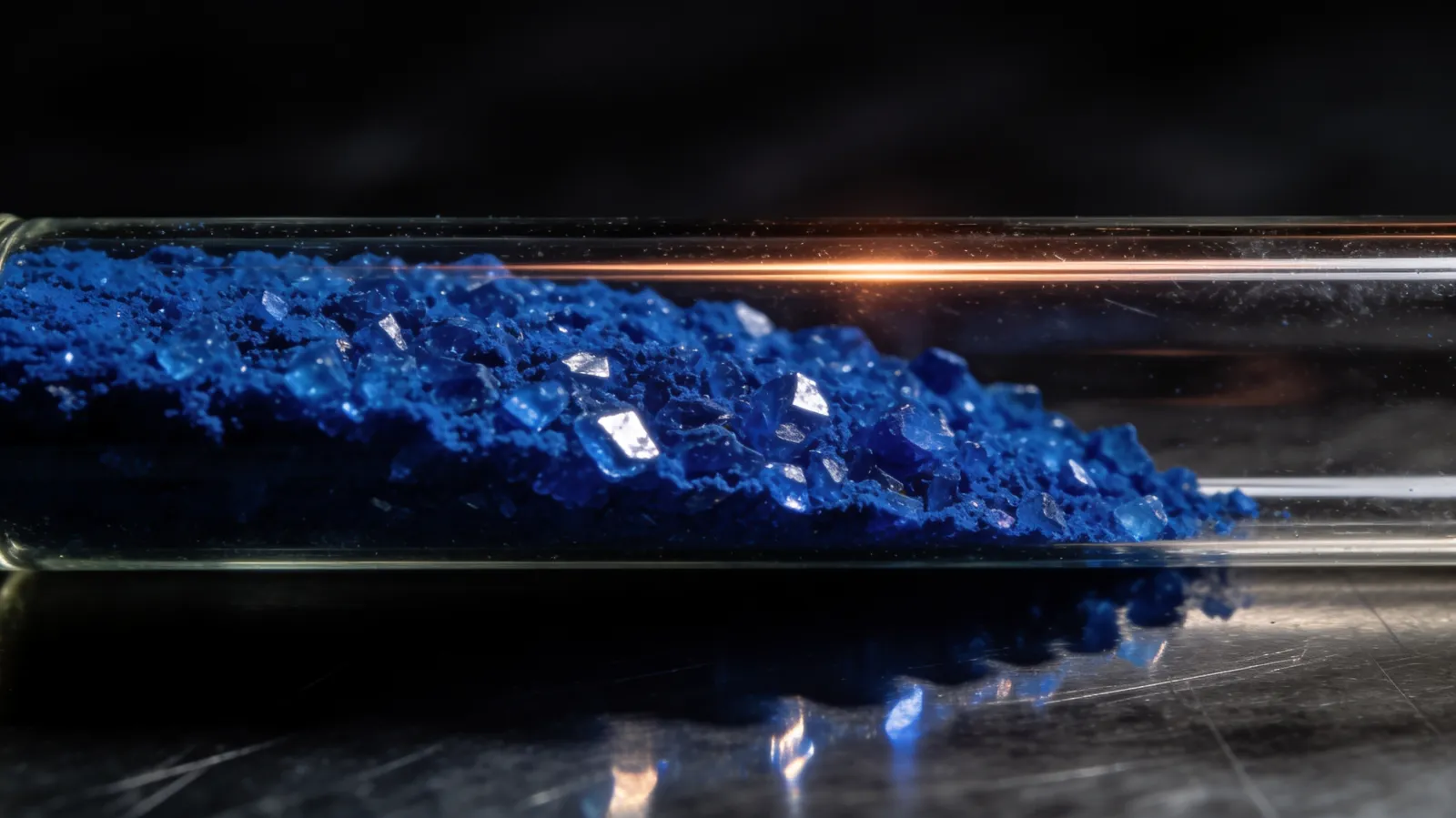
Blue lyophilised powder
Endotoxin
Pass, both replicates
Laboratory
Freedom Diagnostics
Accession
2605120139
Search code
Whol2605120139
Open newest certificate

The signed PDF is the full certificate. The accession and search code above resolve the same record at the laboratory.

07Third-party verified

Independently tested.
Verifiably pure.

  • HPLC purity

    RP-HPLC, 214 nm

    PASS
  • Identity

    LC-MS

    CONFIRMED
Certificate of analysis

Lot GHK100-052026-4

PASS
RP-HPLC · 214nm14 May 2026
HPLC purity
99.86%
Identity
Confirmed (LC-MS)
Laboratory
Freedom Diagnostics
Net content
94.85mg
Open the signed certificate
08Full specification

Every field on the label

Sequence
Gly-His-Lys · Cu(II)
Molecular formula
C14H24N6O4 · Cu
Molecular weight
403.94 g/mol
CAS / identifier
89030-95-5
Quantity per vial
50 mg
Purity
99.86% by RP-HPLC, 214 nm
Identity
Confirmed (LC-MS)
Appearance
Deep blue lyophilised powder
Solubility
Readily soluble in water
Storage
-20°C long term, 2-8°C in use
Ships from
United States
Lot
GHK100-052026-4
Assay date
14 May 2026
09Common questions

About GHK-Cu

Still unsure? Ask the lab, median response under four hours.

This material is supplied as a reference standard for in-vitro laboratory research only. It has not been evaluated by the FDA, is not a drug, and is not intended for human or veterinary use. Handling should follow your institution's chemical hygiene plan, including appropriate PPE and documented disposal.

Every lot is released against a ≥99% specification by reversed-phase HPLC. Released lots have measured between 99.538% and 99.95%; the figure for the lot you receive is printed on its certificate rather than quoted as a range.

Yes — one per lot, signed by the testing laboratory, with the lot number, the HPLC result, identity confirmation and the measured net peptide content. All eight are published in the COA library, including for lots no longer in stock.

50mg and 100mg vials.

Glycyl-L-histidyl-L-lysine — three residues, Gly-His-Lys — complexed with copper(II) at 1:1. Identity is confirmed lot-by-lot against a certified reference standard by LC-MS, and that confirmation is what the certificate reports.

The colour comes from the copper(II) ion coordinated by the tripeptide, and every certificate we hold records the appearance as blue lyophilised powder. A pale or colourless lot would indicate incomplete complexation, which is why copper stoichiometry is assayed alongside peptide purity.

Store the sealed vial at −20°C for long-term stability and 2–8°C for short-term handling. Protect from light and avoid repeated freeze-thaw cycles. Compound-specific stability data is printed on the certificate of analysis supplied with the lot.

10Cited sources

Published literature

Independent published research relating to this compound. Listed for reference; Serviam Bio Labs is not affiliated with these authors and makes no claims based on their findings.

  1. [1]

    Tripeptide in human serum which prolongs survival of normal liver cells

    Pickart L, Thaler MM · 1973 · Biochemical and Biophysical Research Communications

    discovery
  2. [2]

    Copper tripeptide in impaired wound healing

    Parker A et al. · 2013 · Otolaryngology-Head and Neck Surgery

    repair
  3. [3]

    GHK peptide as a natural modulator of multiple cellular pathways

    Pickart L et al. · 2012 · BioMed Research International

  4. [4]

    Regenerative and protective actions of the GHK-Cu peptide

    Pickart L, Margolina A · 2018 · Int J Molecular Sciences

Search GHK-Cu on PubMed
Research encyclopedia

The GHK-Cu monograph

The full reference entry: molecular data, the mechanisms described in the literature, what the research covers, the specification and the papers behind it.

Read the monograph

For laboratory research use only. All compounds listed on this site are sold strictly as reference materials for in-vitro laboratory research conducted by qualified professionals. They are not drugs, foods, cosmetics, or medical devices. They are not intended for human or veterinary consumption, therapeutic use, diagnostic application, or any in-vivo use whatsoever. These statements have not been evaluated by the Food and Drug Administration. By purchasing, you affirm that you are a qualified researcher and that you will comply with all applicable institutional, local, state and federal regulations governing the handling of research chemicals.